 EN
EN
 jp
jp  ko
ko  fr
fr  de
de  es
es  it
it  ru
ru  pt
pt  ar
ar  vi
vi  th
th  nl
nl 
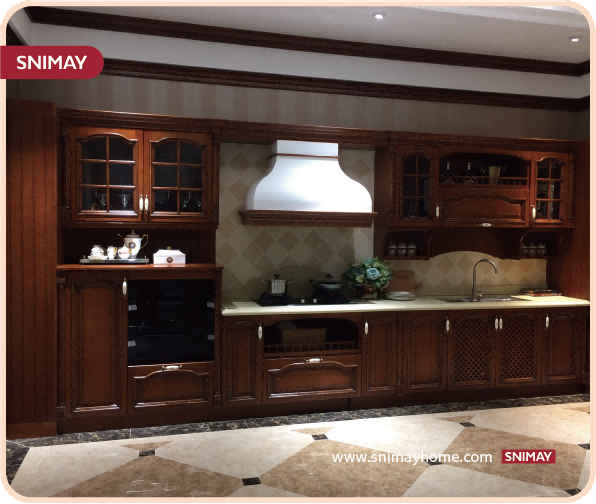
Whole House Design
You can trust .


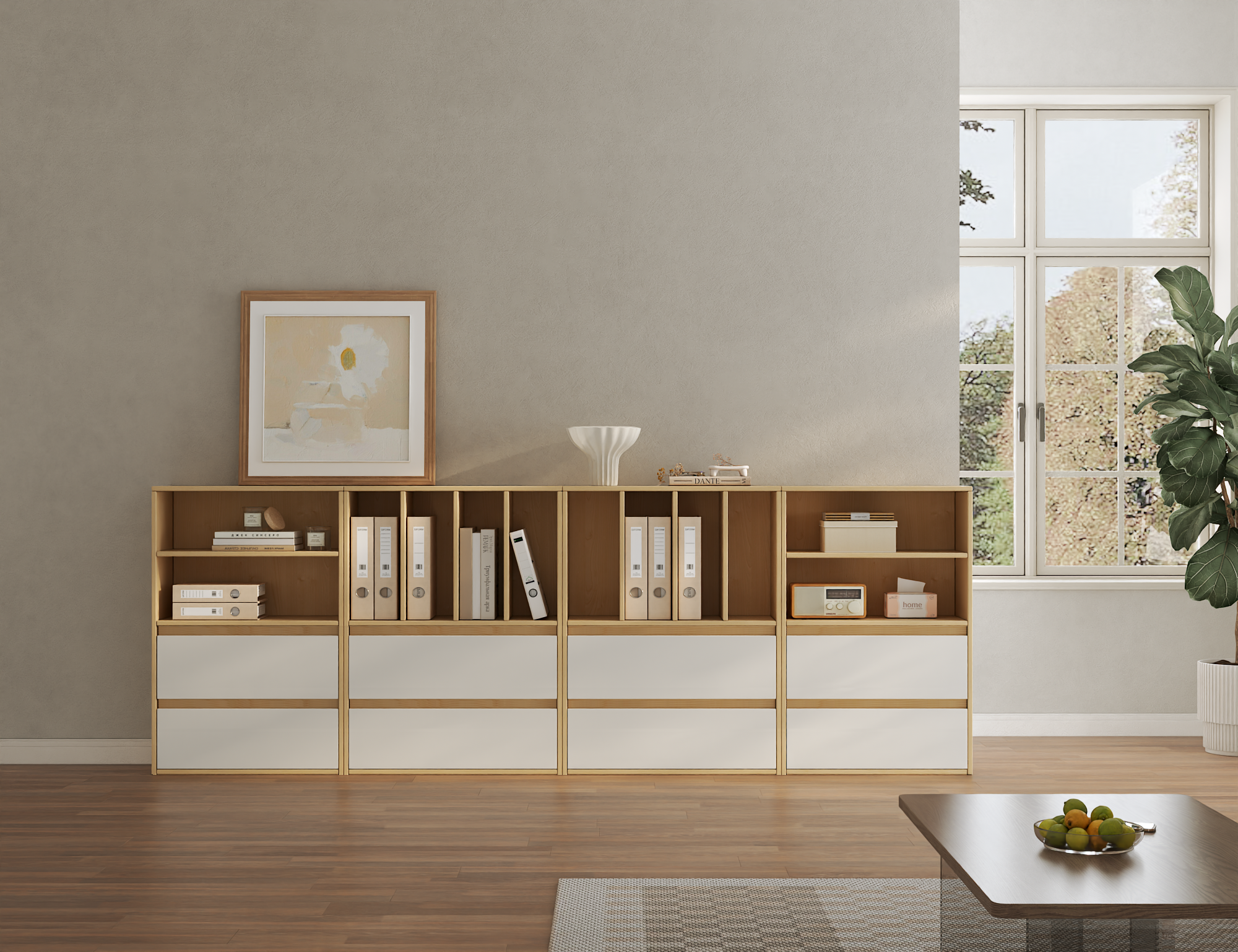
When sourcing cabinets for a project, the choice between RTA and custom is one of the first decisions you will face — and it has a direct impact on your timeline, budget, and how smoothly the rest of the procurement process goes.
For contractors, project buyers, and cabinet dealers, this decision affects more than cabinet style. It influences order planning, lead time, installation work, and how easily the same cabinet solution can be repeated across future projects. Understanding what each option actually delivers will help you match the right product to the right project, every time.
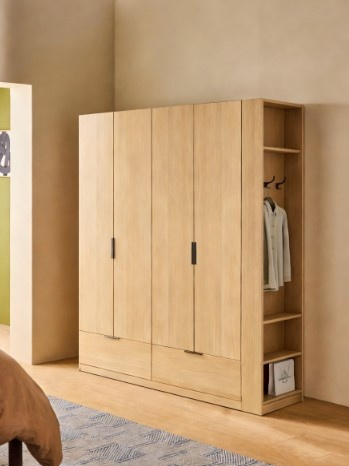
The difference comes down to how and when the cabinet is made.
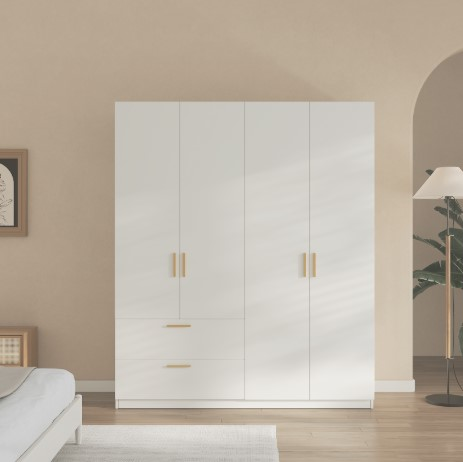
RTA cabinets (Ready-to-Assemble) are pre-manufactured to standard dimensions, usually packed flat, and designed for efficient assembly after delivery. Buyers can select from a defined product catalog with clear specifications.
Custom cabinets are built to order based on a specific project brief. Dimensions, materials, finishes, and storage configurations are defined from scratch for each job. That level of flexibility requires design consultations, approval rounds, and a longer production window before anything ships.
For most multi-unit and distribution projects, RTA delivers the best cost efficiency. Custom cabinetry becomes necessary when project requirements fall outside standard dimensions or finish options.
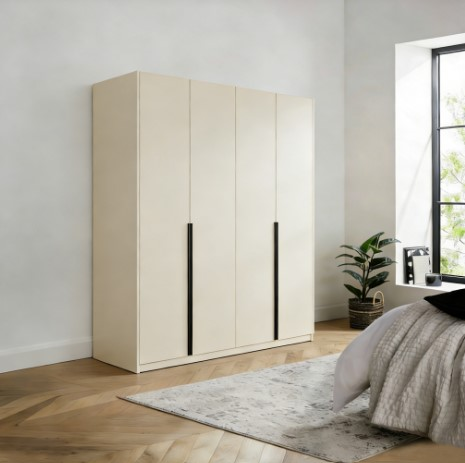
RTA cabinets are often a stronger choice when speed, standardization, and repeatable volume procurement are the main priorities.
Because RTA products are standardized, the cost of design and development does not fall on the buyer. You are ordering from an established product line, which means pricing is stable, lead times are predictable, and reordering is straightforward.
For distributors and retail channel buyers, this removes a significant source of inventory risk. You know exactly what you are stocking, how quickly it can be replenished, and what your margin looks like per unit. There are no revision cycles, no bespoke tooling costs, and no delays caused by design sign-off.
For contractors running multi-unit residential projects or kitchen refresh programs, standardized cabinet sizes can reduce design complexity, but accurate site measurements are still needed before installation. Standard cabinet sizes can cover many common kitchen layouts, especially in repeatable renovation or multi-unit projects.
RTA is the practical choice for buyers in these situations:
• Local dealers and wholesalers looking to expand their product range without incurring R&D costs
• E-commerce retailers who need a stable, replenishable catalog with short time-to-market for new product introductions
• Renovation contractors managing mid-scale kitchen projects where standard dimensions cover most layouts
• Multi-unit developers furnishing apartments or condos at volume, where consistency and reliable delivery matter more than bespoke design
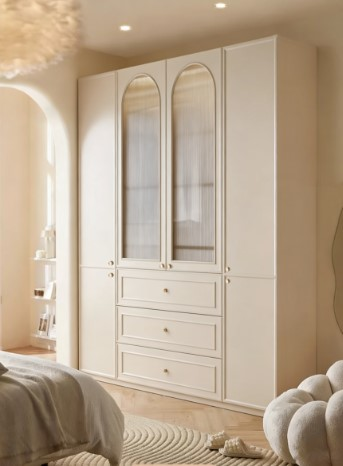
Custom cabinets are typically selected when standard cabinet sizes or finishes cannot meet project requirements.
Project-based whole-house customization, real estate fitouts, and hospitality projects are the clearest cases. In each of these contexts, the cabinet design is part of a broader interior scheme — and anything that looks generic or does not fit the space precisely will undermine the finished result.
Custom also makes sense when a kitchen or living space has irregular dimensions: sloped ceilings, non-standard wall angles, structural columns, or built-in appliances that require cabinetry to work around them. In those situations, trying to adapt standard RTA units may add labor time and can affect the final fit if the project requires highly specific dimensions.
From a supply chain perspective, custom cabinets are made to order — which means there is no inventory to hold or manage. For project-based buyers who do not need ongoing replenishment, this is a practical advantage.
The main challenge with custom cabinetry is the timeline. From the initial design brief to final delivery, a full custom order can take several weeks or longer, depending on design complexity, approval speed, production schedule, and logistics.
Buyers who manage their own design process separately from production also face coordination overhead: aligning designers, engineers, and the factory across multiple rounds of revision takes time and internal resource. Working with a manufacturer that supports design, production, and delivery in one process can reduce coordination costs and help keep project schedules more manageable.
Most suppliers specialize in one or the other. SNIMAY is built to handle both — allowing buyers to source both stock and custom projects from a single supplier.
Founded in 2003 and headquartered in Guangzhou, China, SNIMAY has over 23 years of manufacturing experience and a completed project portfolio spanning North America, Europe, Asia, the Middle East, and Africa. As one of the most established China cabinet manufacturers serving international B2B buyers, SNIMAY supports quality management and environmental compliance, with product options designed to meet relevant North American formaldehyde requirements.
For RTA buyers, SNIMAY's stock cabinet line is built on a standardized modular design framework produced through large-scale automated manufacturing. The range covers multiple size configurations to fit different kitchen layouts, and the supply chain is structured to maintain stable lead times and consistent delivery. For distributors and retail channel partners, this means you can confidently expand your product offering with lower development costs and reduced inventory requirements.
For custom buyers, SNIMAY manages the full process from initial design through production and logistics. The team develops project-based solutions according to the client’s brief, budget, space requirements, and delivery schedule. By managing design, production, and logistics through one supplier, project teams avoid coordinating multiple vendors and reduce revision-related delays.
As experienced RTA cabinet manufacturers with an equally capable custom division, SNIMAY is structured to grow alongside your business — whether your immediate need is stocking a new distribution channel or delivering a full-scale residential fitout.
The RTA vs. custom decision is ultimately a question of what your project — and your business model — actually requires.
Choose RTA when volume, cost predictability, and fast market responsiveness are the priority. This covers most distribution, retail, and multi-unit contracting scenarios where standardization is a strength, not a compromise.
Choose custom when the project has design requirements that standard products cannot fulfill, or when you are delivering to a client who expects bespoke quality and precise fit.
In practice, most B2B businesses need both at different points in their order pipeline. Working with a manufacturer that can handle either — with the same supply chain reliability and quality standards — is the most efficient way to serve a wider range of clients without managing multiple vendor relationships.
For contractors, project buyers, and cabinet dealers, the right choice depends on whether the order needs standard cabinet SKUs or project-specific customization. SNIMAY can support both RTA cabinet supply and custom cabinet projects through one manufacturing partner.
 Call us on:
  Email Us:
  Snimay Headquarters, Building 6, Panyu E Valley, Panyu District, Guangzhou City, Guangdong Province, China