 EN
EN
 jp
jp  ko
ko  fr
fr  de
de  es
es  it
it  ru
ru  pt
pt  ar
ar  vi
vi  th
th  nl
nl 
Whole House Design
You can trust .


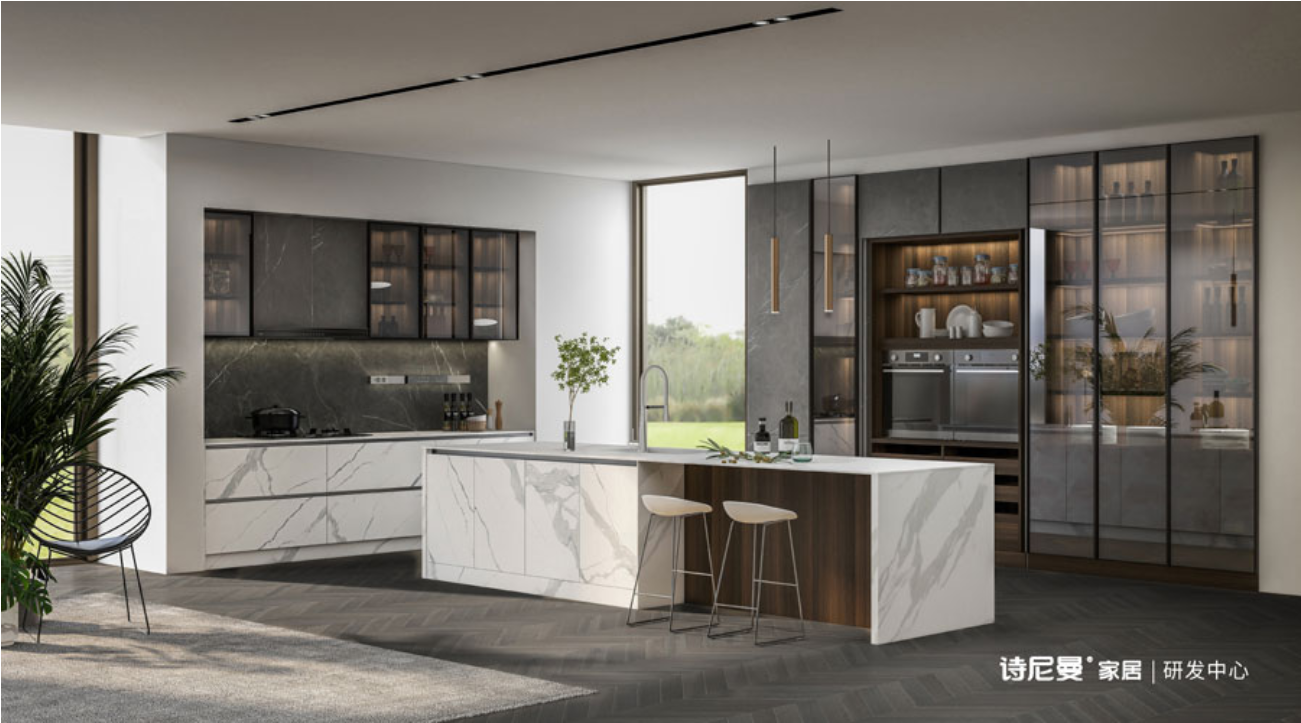
Every remodel project starts with the same question: go custom, or go stock? For B2B buyers managing multiple units or distributor inventory, the answer shapes the project's budget and supply chain. Understanding what each category means is the first step before comparing cost or sourcing.
Custom cabinets are built to a project's exact specifications, while stock cabinets ship pre-made in standard sizes. Both serve real purposes in a remodel, and the right choice depends on layout, timeline, and order volume.
Custom kitchen cabinets are designed and manufactured around a specific floor plan. A designer reviews the project drawings first, then proposes a layout built to those exact dimensions, letting custom cabinets fit irregular walls, oversized islands, or storage needs that standard sizing can't accommodate.
Every material, finish, and hardware choice gets selected for that one project. A developer designing a luxury villa kitchen might choose solid wood doors with a lacquer finish to match a broader interior theme. The tradeoff is that this individual attention takes longer to plan and produce than pulling cabinets off a shelf.
Stock cabinets are manufactured in advance using fixed sizes and a limited set of finishes. Produced in batches before any specific order comes in, they're typically available faster and at lower unit cost than custom builds, which suits distributors and retailers needing consistent inventory.
Stock cabinets work well when a project doesn't require unusual dimensions or highly specific design details. A property manager furnishing dozens of identical rental units doesn't need a custom design for each kitchen; standardized sizing and repeatable finishes serve that case better.
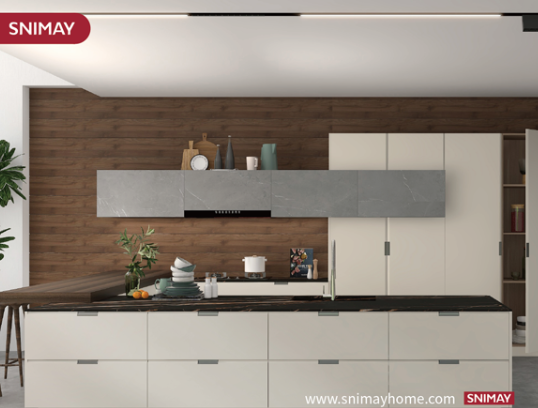
Custom cabinets generally cost more and take longer to deliver because each unit involves individualized design and production. Stock cabinets cost less and ship faster because manufacturers produce them at scale using fixed templates.
Custom work requires a designer to review drawings, propose layouts, and confirm a 2-3 solution range before production starts. That upfront design labor gets built into the final price. A hotel developer building a custom lobby kitchen, for example, goes through a longer process built around drawing analysis and design approval before a single cabinet gets built.
Standardized, large-scale automated production skips most of that individual planning step. A distributor stocking a regional showroom benefits from this directly: a standardized design framework supporting frequent new arrivals keeps their inventory consistent and their costs predictable.
B2B buyers increasingly source China kitchen cabinets because Chinese manufacturers combine large-scale production with established export experience. This matters most for contractors and distributors managing projects across different countries at once.
A manufacturer with decades of joinery experience and a track record exporting to dozens of countries can support a custom order and a bulk distributor contract without switching production systems. That flexibility reduces the friction of managing separate suppliers for separate project types.
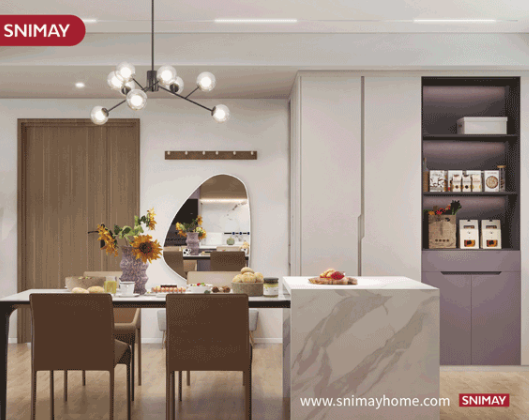
SNIMAY supports remodel projects on both ends of the spectrum, offering full custom kitchen cabinet design alongside a dedicated stock cabinet line. The company has designed kitchens in China for more than 20 years and exports to different countries.
SNIMAY follows a six-step process: quotation or drawing review, drawing analysis, design and approval with proposed solutions, a signed contract, logistics coordination, and installation. This process is how B2B buyers get custom cabinets from China without managing design and production as separate steps.
SNIMAY's stock cabinet line is built around a standardized design framework and large-scale automated production for precision and cost-efficiency. This supports stable lead times and consistent delivery, even during peak demand, which matters for distributors managing recurring orders. The brand also maintains ISO9001 standards and EPA NAF certification, addressing the environmental compliance that buyers in North America often require.
The right choice comes down to how much design flexibility a project needs versus how quickly and consistently it needs cabinets delivered.
A boutique hotel developer designing a single signature kitchen benefits from custom cabinets because the layout and finish need to match a specific design vision. Project purpose, more than budget alone, should guide this call.
A regional distributor restocking showroom inventory gains more from a stock line's standardized sizing and dependable lead times. Many B2B buyers combine both approaches across a single portfolio: a property developer might order custom cabinets for model units and stock cabinets for the remaining standard units in the same building, balancing design impact against overall project cost.
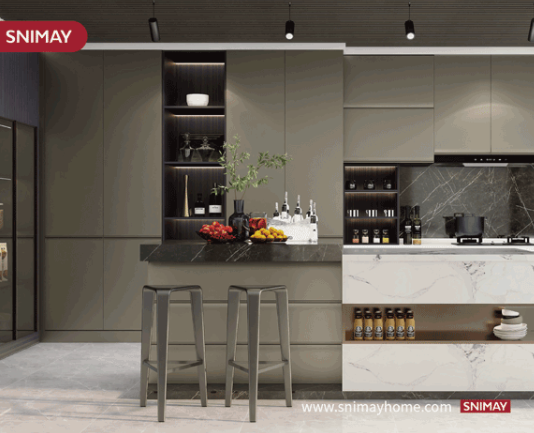
Custom and stock kitchen cabinets solve different problems for B2B remodel projects. Custom delivers a precise fit and tailored design; stock delivers speed and consistent supply at a lower unit cost. The right pick depends on layout requirements, timeline, and order volume.
Working with a manufacturer that offers both options under one process simplifies sourcing for multi-project portfolios. That's the structure SNIMAY built its kitchen cabinet and stock cabinet lines around, giving contractors, distributors, and developers one point of contact regardless of which category a project calls for.
 Call us on:
  Email Us:
  Snimay Headquarters, Building 6, Panyu E Valley, Panyu District, Guangzhou City, Guangdong Province, China